




Discover the customs, etiquette and traditions that will help you experience Japan with confidence, respect and a deeper appreciation of its remarkable culture.
Many first-time visitors arrive expecting dazzling neon skylines and centuries-old temples. Japan certainly delivers both. But it's often the quieter moments that leave the strongest impression: a station platform where conversations barely rise above a murmur, a shopkeeper who carefully wraps even the simplest purchase, or the thought and precision that goes into every meal, greeting and shared space.
These everyday customs aren't about strict rules or catching visitors out. They're simple expressions of respect, consideration and a deep appreciation for doing things well. Taking a little time to understand them before you travel won't just help you navigate Japan with confidence and avoid the occasional faux pas. It'll also give you a richer understanding of a culture where courtesy isn't just expected, but woven into everyday life.
Start planning your luxury holiday to Japan now.
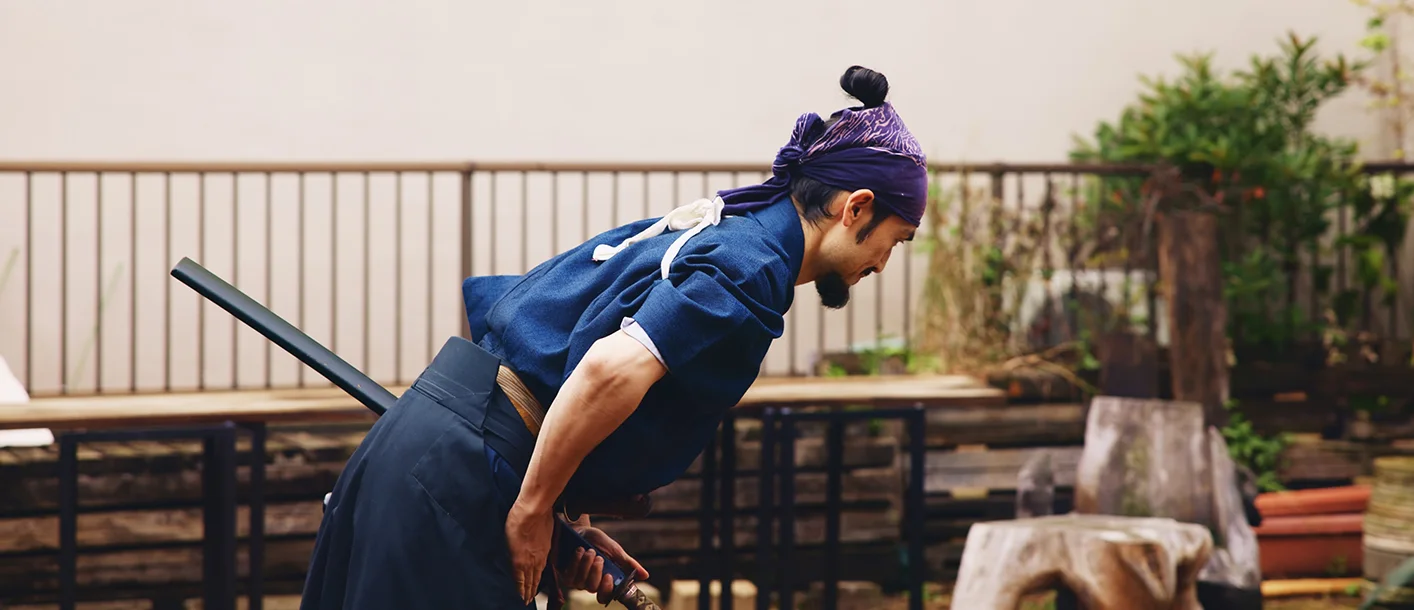
1. Bowing is about respect, not perfection
Forget counting angles or worrying about getting it exactly right, visitors aren't expected to bow like a local. A simple nod offered with genuine warmth is more than enough. In Japan, the gesture reflects respect, gratitude and acknowledgement rather than rigid etiquette, so sincerity always matters more than precision. If someone bows to welcome you into a hotel, thanks you for your custom or wishes you farewell, returning the gesture with a slight inclination of your head is always appreciated.
2. Shoes rarely stay on for long
If you notice a line of neatly arranged shoes outside a doorway, don't step over them. It's your invitation to leave yours behind. Homes, traditional ryokan, many temples and some restaurants all ask guests to remove their footwear before entering, preserving spaces that are treated with particular care. You'll usually be provided with slippers, and in some places you'll even find a separate pair reserved exclusively for the bathroom. Paying attention to what those around you are doing is often the easiest way to know what's expected.
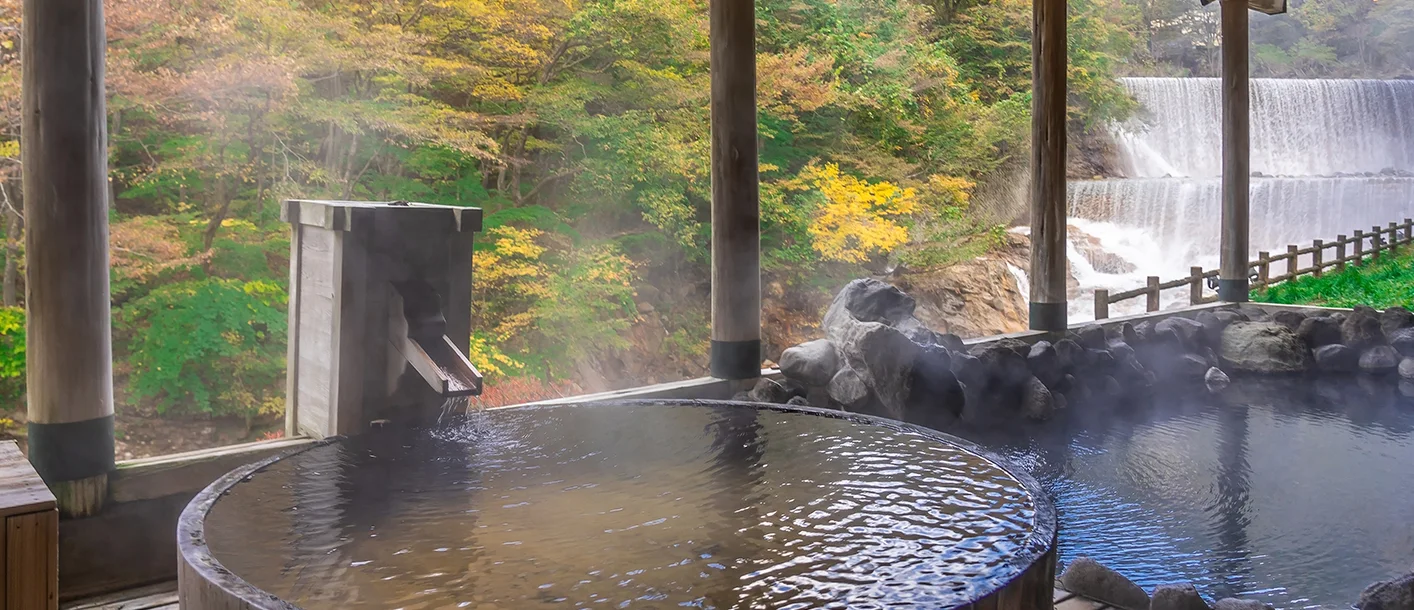
3. Learn the basics of onsen etiquette
Sliding into a steaming outdoor onsen while cool mountain air brushes your shoulders is one of Japan's greatest pleasures. Before you do, however, there's one important ritual. Guests are expected to wash thoroughly at the shower stations before entering the communal baths. Towels stay on the side, swimwear usually isn't permitted and the water is treated as a place for peaceful relaxation rather than conversation.
Some traditional onsen still restrict guests with tattoos, although attitudes continue to evolve. Many luxury hotels now offer private bathing facilities or welcome tattooed visitors, making this cherished Japanese tradition more accessible than ever.
4. Quiet is (almost) always appreciated
A crowded commuter train in Tokyo can carry hundreds of passengers with barely a raised voice. Phone calls are avoided, conversations stay low and everyone instinctively makes space for one another. It often surprises first-time visitors, particularly in one of the world's largest cities, yet it speaks volumes about the respect shown towards shared environments. You don't need to remain silent, but lowering your voice and switching your phone to silent mode are small gestures that won't go unnoticed – save the chatter and revelry for the karaoke bars, where the volume inevitably rises.

5. Dining is about more than the food
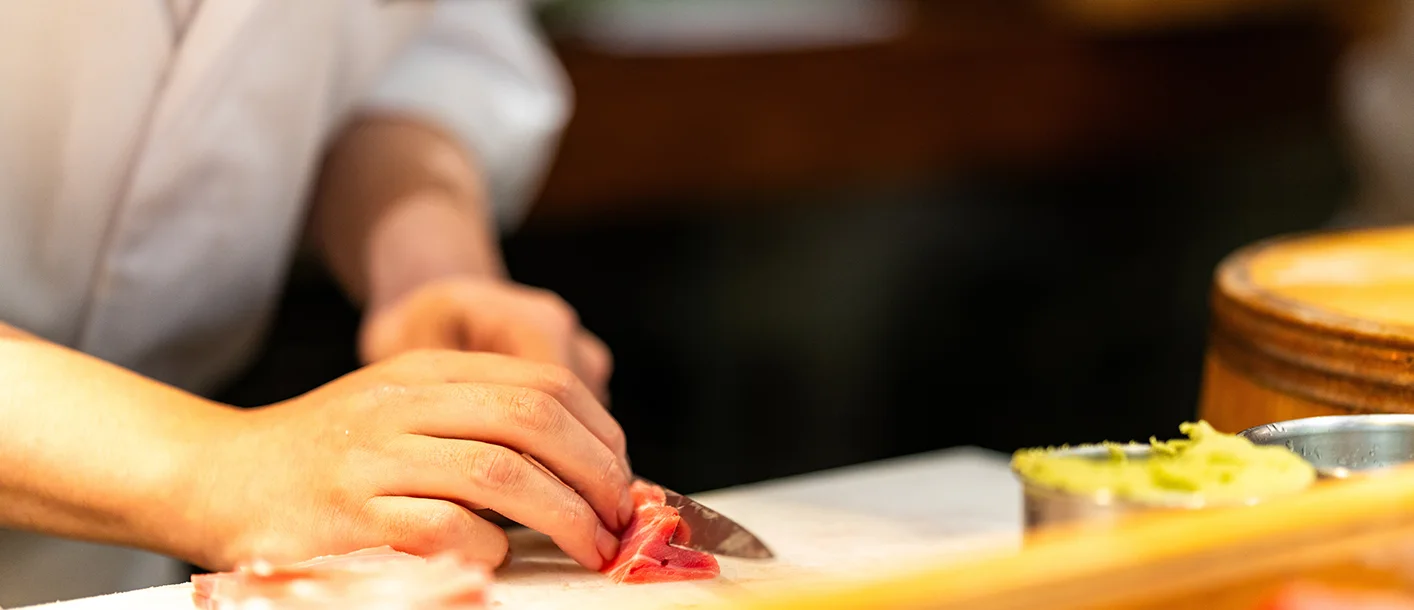
Meals in Japan are rarely rushed. Whether you're sitting at a neighbourhood sushi counter or enjoying an elegant omakase dinner, there's an appreciation for seasonality, craftsmanship and letting each course speak for itself.
If you've chosen an omakase experience, allow the chef to guide the menu rather than requesting substitutions wherever possible. A little chopstick etiquette also goes a long way. Avoid sticking them upright into a bowl of rice, pointing with them or passing food directly from one pair of chopsticks to another, as these actions are associated with funeral customs.
6. Gift giving is part of everyday life
Beautiful wrapping isn't an afterthought in Japan. It's considered part of the gift itself. If you're invited into someone's home or wish to thank a host, presenting a thoughtfully chosen gift, however modest, demonstrates care before it's even opened. You'll also notice this philosophy extending far beyond gift giving. Department store purchases are wrapped with remarkable precision, pastries arrive beautifully boxed and even the simplest takeaway coffee is often handed over with quiet pride.
7. Punctuality is taken seriously
Japan's reputation for punctuality is well earned. Trains depart with astonishing precision, restaurant reservations run to schedule and guided tours begin exactly when advertised. Arriving a few minutes early isn't simply good manners. It's a sign of respect for everyone else's time, helping daily life run with the efficiency for which the country is so well known.
8. Cash still has its place
While credit cards and mobile payments are becoming more common, Japan remains a surprisingly cash-friendly society. Smaller restaurants, independent shops, temples and rural businesses may only accept cash, so it's worth carrying some yen with you, particularly if you're travelling beyond the major cities. When paying, you'll often notice a small tray by the till. Rather than handing money directly to the cashier, place your cash or card in the tray instead. It's a small detail, but one that's considered more polite and keeps transactions running smoothly.

9. Tipping isn't part of the culture
If you've experienced exceptional service, your instinct may be to leave a tip, but in Japan it's simply not expected. Whether you're dining in a restaurant, staying in a luxury hotel or taking a taxi, outstanding service is considered a standard part of the experience rather than something that requires an extra reward. In some cases, leaving money behind may even cause confusion, with staff politely returning it. A genuine "thank you" is always appreciated and is the best way to show your gratitude.
10. Eating while walking is best avoided
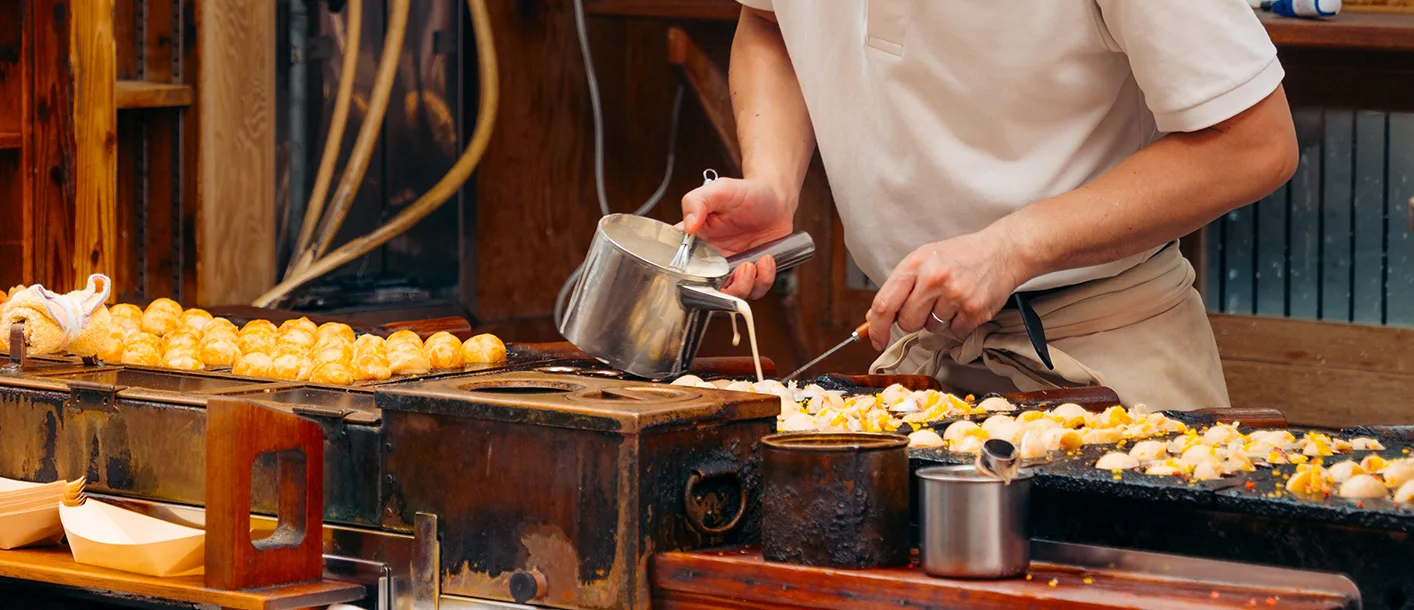
You'll notice that Japanese streets are remarkably clean, and part of that comes down to local habits. While grabbing a snack on the move is common in many countries, eating while walking is generally avoided in Japan. If you buy food from a market stall or convenience store, it's considered more respectful to stop and enjoy it in the designated area or nearby before continuing your journey. The exception is on long-distance trains, where enjoying a beautifully prepared ekiben lunch is all part of the travel experience.
11. Take your trash
On the note of cleanliness, you may also find there are surprisingly few public rubbish bins. Rather than leaving litter behind, people are expected to take their rubbish home or carry it with them until they find somewhere appropriate to dispose of it. It's a simple habit that helps explain why Japan's streets are famously clean despite the lack of bins.
12. Reach for a handkerchief, not a tissue
If you have a cold, you may notice that people in Japan tend to avoid blowing their nose loudly in public, especially while eating. If possible, it's considered more polite to excuse yourself to a restroom or another private space. Likewise, if you're feeling unwell, wearing a face mask is widely seen as a thoughtful way to help protect those around you. It's another example of Japan's emphasis on courtesy and consideration for others.

13. Slow down and embrace the details
Japan doesn't ask visitors to memorise hundreds of social rules. It simply encourages awareness. Return a greeting, queue patiently, treat shared spaces with care and approach unfamiliar customs with curiosity rather than assumption. The beauty of travelling here lies in noticing the little things: the immaculate gardens, the care given to preparing a single dish and the pride people take in their work. Those observations leave the strongest impression, lingering in your memory even long after the famous landmarks have faded into memory.
The magic of Japan isn't confined to its celebrated sights. It lives in countless everyday interactions, many so subtle they're easy to overlook until you've spent time there. A little cultural understanding opens the door to richer conversations, warmer welcomes and a far greater appreciation of what makes the country so distinctive.
Whether you're unwinding in a traditional ryokan, soaking in a mountainside onsen, watching a sushi chef prepare dinner with extraordinary precision or admiring cherry blossom in full bloom, it's often these shared customs that make the experience unforgettable.
Ready to discover Japan for yourself? Whether you're dreaming of Kyoto's historic temples, Tokyo's electric cityscape or a restorative stay at one of the country's exceptional luxury resorts, Winged Boots can create a bespoke itinerary tailored entirely to you. Call our team of personal travel managers on 0203 816 0985, or submit an online enquiry to start planning your very own Japanese experience.
Ready for your next read? Discover 12 reasons to visit Japan in your lifetime.

Winged Boots:
The Lifestyle Brochure
Blending the latest luxury travel trends, inspiring editorial and exclusive customer interviews with our curated list of the top hotels in the world, allow our brochure to spark your wanderlust.
order your copy today
next trip today
Our expert team of personal travel managers are ready to craft your perfect journey. From business trips to luxury leisure holidays, simply put your pin in the map, and we’ll make it happen.
 START A WHATSAPP CHAT