




Race Across the World isn’t really about racing. It is about what happens in between. Long stretches of movement, unexpected detours, and the quiet realisation that one place has given way to another entirely. Borders blur, cultures shift, and somewhere along the way, the journey itself becomes the story. This is travel in motion: unfiltered, unscripted, and sometimes unpredictable.
At its core, the show follows contestants racing across continents without flights, limited to strict budgets and reliant on overland routes and quick thinking to reach each checkpoint.
But strip away the time pressures, the budget constraints, the need to constantly push forward, and something rather compelling emerges. These same routes – the very arteries that carried contestants across continents – lend themselves beautifully to a more considered style of exploration. Less race, more at your own pace (with a few luxury creature comforts that the contestants definitely went without!). Private guides help you go a little deeper. Smooth, well-planned transfers take away the usual friction. And those in-between moments, the ones that make the show so compelling, become something you can actually enjoy rather than rush through.
What remains is the spirit of the journey, but elevated. The thrill of overland travel, softened by thoughtful design and seamless transitions. It’s still about the in-between moments – only now, they arrive with a chilled glass of something in hand and a suite waiting at the end.
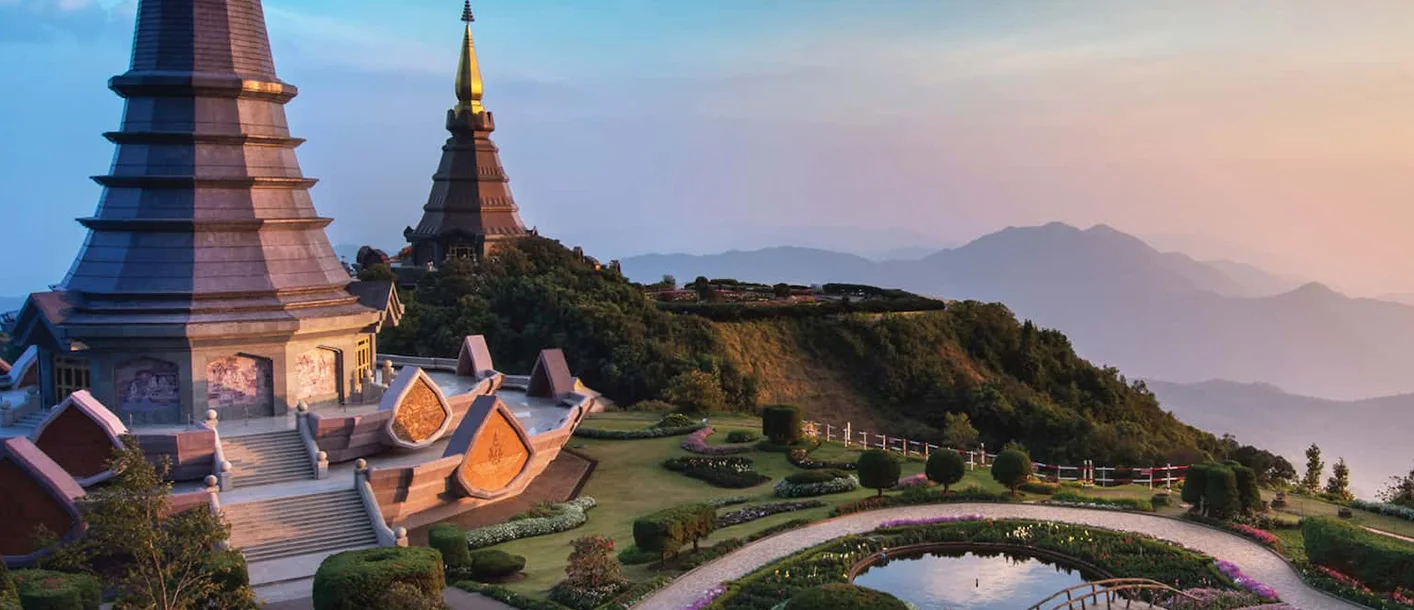
Southeast Asia: where it all began
The original Race Across the World route through Southeast Asia is a brilliant introduction to overland travel. On screen it’s all urgency and quick decisions, but in reality, this is a journey that rewards slowing down. Give yourself time, and it becomes far more immersive and far more enjoyable.
Start in Bangkok, a city that thrives on contrast. One minute you’re weaving through street food stalls, the next you’re stepping into the calm of a temple, all before taking in a view of the city at golden hour from one of the many rootop bars. Where you stay makes all the difference here. Set along the Chao Phraya River, Mandarin Oriental Bangkok gives you a breather between outings, with just enough distance from the sense-stirring chaos without missing any of the energy.
From here, head north to Chiang Mai, where the air feels different almost immediately. The tempo eases as jungle-covered hills replace the city’s intensity, and days are shaped by early market visits, temple bells, and long, unhurried meals. This is where a luxury Southeast Asia itinerary starts to feel more considered. At Four Seasons Resort Chiang Mai, rice paddies stretch out beyond your villa, and experiences feel rooted in place, whether that’s a hands-on cooking class or time spent exploring the surrounding countryside.
Cross into Laos and Luang Prabang feels like a natural pause. It’s calmer, more reflective, and encourages you to slow right down. At Rosewood Luang Prabang, time revolves around the setting rather than the schedule. Wake early for the alms-giving ritual, drift along the Mekong by boat, and spend warm afternoons seeking out waterfalls tucked into the jungle.
This is where a Race Across the World-style journey really comes into its own when you do it this way. You’re following the same route, but without the pressure.
If you'd like to follow the classic backpacker route (minus the backpack), see our guide on exploring Southeast Asia's famed 'Banana Pancake Route' with a luxury twist.

The Americas: scale and scenery
Series 2 – Mexico City to Ushuaia, Argentina
The second route stretches further, amplifying both distance and contrast as you move south through Latin America.
It begins in Mexico City, a capital that’s as layered as it is energetic. Base yourself at Four Seasons Hotel Mexico City, set around a tranquil courtyard just off Paseo de la Reforma. From here, dip into the city’s food scene, explore Roma and Condesa, and balance it all with time to reset between outings.
Continue into Guatemala, where the shift is immediate. In Antigua, cobbled streets and volcano-framed views set the scene, but it’s the detail that lingers. Early mornings bring the scent of fresh coffee from nearby plantations, while afternoons are made for slow wanders past baroque churches and hidden courtyards. Beyond the city, lake escapes and private guided hikes offer a deeper look at the landscape. Back in town, Casa Santo Domingo, a former monastery turned hotel, offers a stay that feels rooted in history while still delivering on comfort.
Further south, Colombia brings a fresh injection of colour and energy. Cartagena hums with life, its sun-warmed streets lined with pastel façades, balconies spilling with bougainvillaea, and the distant rhythm of music never far away. Days drift between the old town and the coast, with the Rosario Islands offering a change of scene just offshore. From here, the jump to Brazil feels natural, the scale dialled up once more. Rio de Janeiro is bold and cinematic, where jungle-clad peaks meet sweeping beaches. At Copacabana Palace, A Belmond Hotel, you’re right at the heart of it all, with Sugarloaf and Christ the Redeemer framing the view. Finally, Argentina delivers a fitting sense of drama. From the buzz of Buenos Aires to the vast, almost alien landscapes of Patagonia, this is where the journey really opens out. Properties such as Awasi Patagonia offer access to some of the country’s most remote regions, without compromising on comfort.
Here, more than anywhere, it’s the sheer variety that stay with you. Culture, climate, and scenery change dramatically from one stop to the next, but experienced this way, the journey feels seamless rather than rushed.
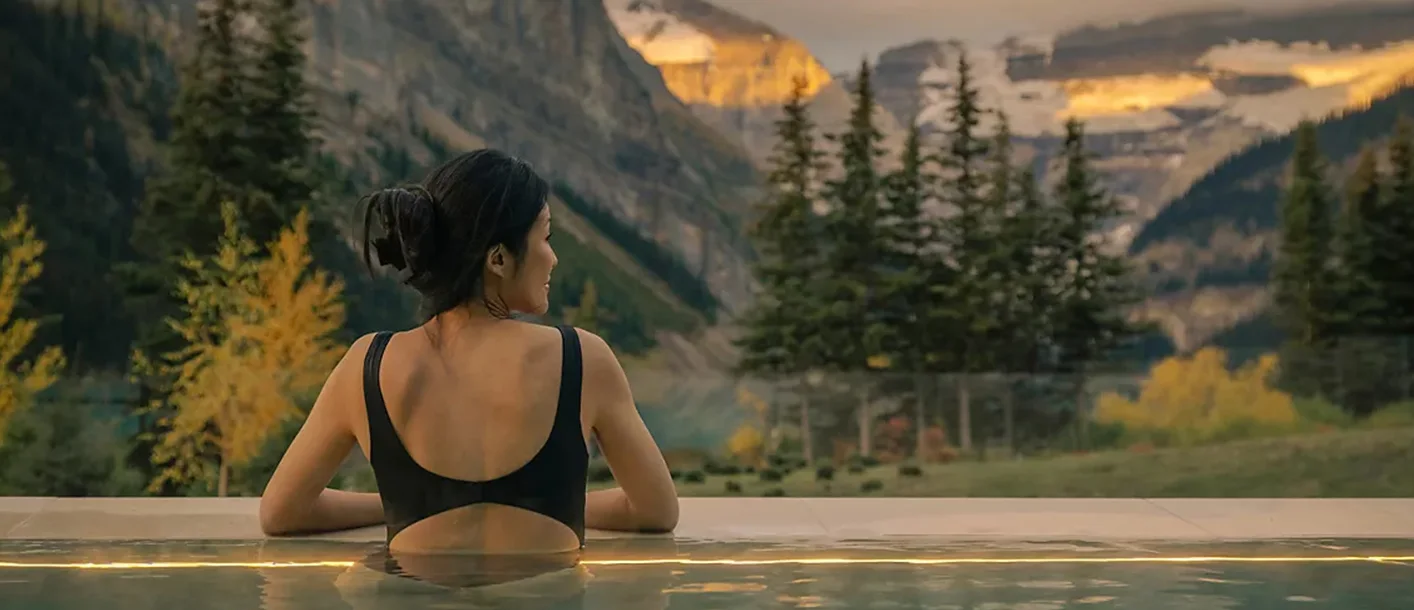
Canada: coast to coast
Series 3 – Vancouver to Newfoundland
In its third outing, Race Across the World trades multiple countries for one vast sweep. Canada, in all its scale, becomes the story. The journey from Vancouver to Newfoundland is less about ticking off stops and more about watching the landscape steadily transform, sometimes dramatically, sometimes almost without noticing.
Vancouver is where it begins, all glass towers, ocean air and forested edges. You can spend a morning by the water, an afternoon in the mountains, and still make it back in time for dinner in the city. A stay at Fairmont Pacific Rim keeps you right on the waterfront, with floor-to-ceiling views that pull the harbour and mountains into focus. It’s a strong starting point, but it’s what lies beyond that sets the tone. Push further out and the route opens up. Detours to places like Haida Gwaii introduce a wilder, more elemental side of Canada, where ancient rainforest meets the Pacific and Indigenous culture runs deep. It feels remote in the truest sense, and that’s exactly the point.
From here, you could pivot north into the Yukon, where Dawson City still carries the spirit of the gold rush. Wooden boardwalks, big skies, and a historic feeling that hasn’t been overly polished make it feel like a real departure from city life. Alternatively, make your way into the Canadian Rockies, where Banff delivers that classic sweep of glacier-fed lakes and towering peaks. It’s one of the most rewarding ways to experience Canada’s wilderness, especially when paired with a stay at Fairmont Banff Springs, its castle-like presence set against the mountains adding to the sense of place. Whichever direction you take, the journey invites moments of true remoteness. Remote places like Churchill, set on the edge of Hudson Bay, offer a glimpse of Canada at its most elemental, known for its wildlife and stark, open landscapes.
Further east, the tone changes again. Quebec City introduces cobbled streets, French influence, and a strong connection to history, a contrast that feels all the more striking after the vastness that comes before it. It’s also where one of the series’ quieter storylines comes into focus: language. As teams move through different provinces, the contrast between English and French-speaking Canada becomes part of the experience, subtly shaping interactions, navigation and everyday encounters along the way. By the time you reach the Atlantic provinces, you'll feel the journey stretching behind you. Coastal roads through Nova Scotia lead you towards Newfoundland, where the route finds its end near St John’s, with brightly painted houses, rugged cliffs and the open ocean awaiting at the finish line.
Done well, this route leans into comfort where it counts. Scenic rail journeys replace long hauls, wilderness lodges offer access without effort, and well-timed city stays break things up. The scale is still there, but it becomes something to enjoy rather than endure. For a deeper dive into journeys like the Rocky Mountaineer, explore our guide to the world’s best luxury scenic train rides.
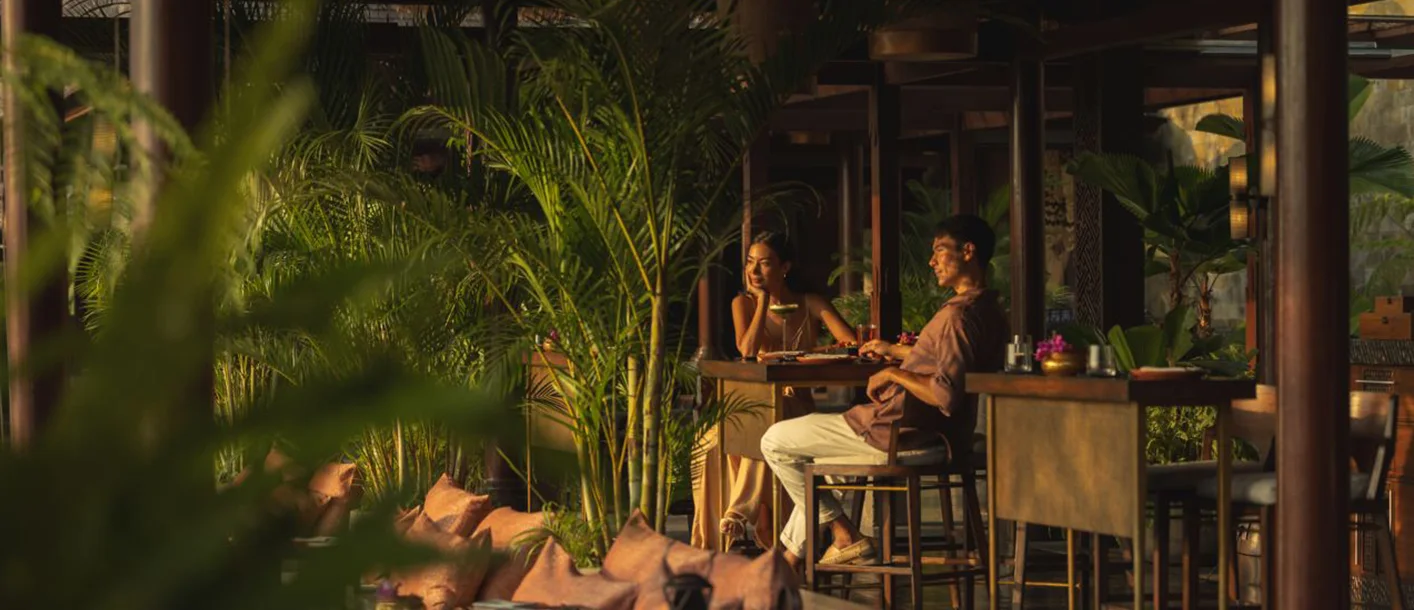
East to Southeast Asia: a study in contrast
Series 4 – Sapporo, Japan to Gili Meno, Indonesia
The fourth route returns to Asia, where the contrast feels more immediate, shifting from hyper-modern cities to deeply rooted traditions before opening out into the warmth and colour of Southeast Asia.
Japan sets the tone. In Tokyo, energy is constant, but from a base like Aman Tokyo, there’s space to take it in properly, moving between tucked-away izakayas, design-led neighbourhoods and pockets of calm that reveal themselves gradually. Carry that perspective forward and Seoul adds another layer, blending cutting-edge style with historic palaces and lively street markets that sit comfortably side by side.
The focus turns inward in Kyoto, where the city reveals itself through early morning temple visits, the rustle of bamboo in Arashiyama, and the careful rituals that shape daily life. Time is best spent wandering between shrines and traditional streets, pausing for seasonal dishes that reflect the landscape, and taking in the details that make Kyoto feel so distinct.
As the journey moves into Vietnam, the tempo lifts once more. Hanoi is immediate and absorbing, its Old Quarter a constant flow of scooters, street food and shifting scenes, all balanced by the heritage and calm of Sofitel Legend Metropole Hanoi. From here, the route continues into Cambodia, where the focus turns to history and scale. Around Siem Reap, days are spent exploring the vast temple complexes of Angkor at sunrise, followed by slower afternoons along the river or in the surrounding countryside, offering a deeper connection to place.
Crossing into Thailand, the landscape shifts again. In the north, cultural experiences and mountain scenery take centre stage, while further south, the pull of the islands becomes hard to ignore. Stays such as Four Seasons Resort Koh Samui bring a sense of ease to this part of the journey, with private villas, sea views and time carved out simply to enjoy the setting.
By the time you reach Indonesia, everything softens. In places like Bali or Lombok, jungle meets ocean and the atmosphere feels more expansive, less defined by movement. A stay at Mandapa, a Ritz-Carlton Reserve in Ubud, places you among rice terraces and rainforest, offering a calm, immersive end to a journey that began at full speed.
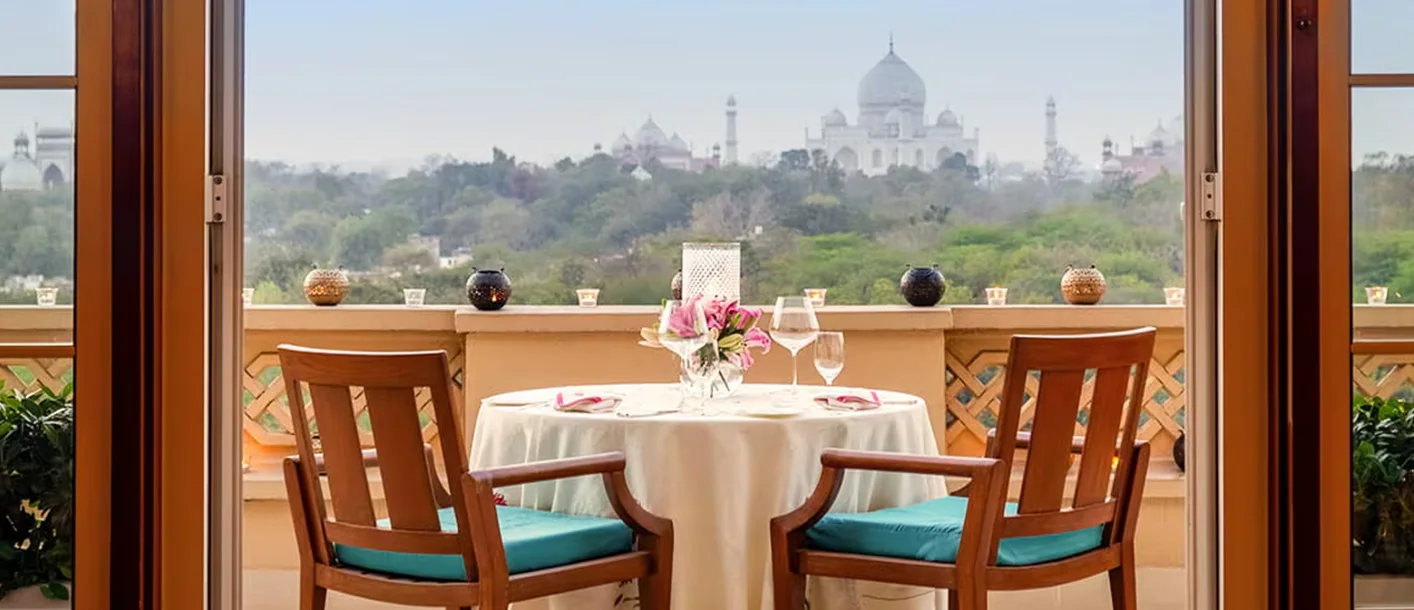
China to India: where worlds collide
Series 5 – Great Wall of China to Kanniyakumari, India
Series 5 feels huge from the outset, beginning at the Great Wall of China before moving through Nepal and down towards India’s southern tip. It is a route shaped by extremes, from imperial landmarks and vast cities to Himalayan landscapes, spiritual towns and humid coastal stretches.
China sets the scale early. Rather than rushing through Beijing, a luxury version gives you time to take in the contrast properly, pairing the Great Wall with courtyard calm at Aman Summer Palace, set beside one of the city’s most storied landmarks. From there, the journey can open out towards Shanghai, where old neighbourhoods, sharp skylines and regional food scenes bring a very different side of the country into view.
Nepal changes the mood completely. The air thins, the landscape rises and the journey feels more elemental. Kathmandu brings temples, prayer flags and a feeling of movement that is less polished but deeply compelling, while time in the foothills gives the route its mountain drama without needing to lean too heavily into hardship.
Then comes India, and with it, a whole new intensity. A luxury edit might trace the country through Delhi, Agra and Rajasthan before continuing south, allowing for stays such as The Oberoi Amarvilas near the Taj Mahal or The Leela Palace Udaipur on Lake Pichola. Each stop adds another layer, from Mughal architecture and desert cities to temple towns and coastal heat.
See what Personal Travel Manager, Louise Silverman, had to say about her stay at The Leela Palace, Udaipur, in our guide to the best destinations for a two-week escape.
Reaching Kanniyakumari gives the route a true end point. At India’s southernmost tip, where three seas meet, the journey lands with the kind of full-circle feeling the show does so well. Done with expert guides, well-timed trains, private transfers and proper places to pause, it keeps the scale intact while making the experience far more rewarding.

Europe to Central Asia: a voyage for the ages
Series 6 – Sicily to Mongolia
Series 6 follows one of the show’s most ambitious routes yet, crossing from the Mediterranean to Mongolia and tracing parts of the old Silk Road along the way. It begins in Palermo and ends in Hatgal, beside Lake Hövsgöl, moving through Europe, the Caucasus and Central Asia before reaching Mongolia’s vast northern landscapes.
Sicily makes for a wonderfully atmospheric start. Palermo brings markets, faded palazzi and Arab-Norman architecture, while a stay at Verdura Resort, A Rocco Forte Hotel gives the journey a softer launch, with sea views, Sicilian food and space to settle in before heading east. From there, Greece and Türkiye carry the route into older, deeper territory. Think island crossings, ancient sites and Aegean light, with properties such as Maxx Royal Belek Golf Resort adding comfort without losing that connection to place. By the time you reach Türkiye’s interior, the journey starts to feel more overland in spirit, less about resorts and more about landscapes, markets and long connections between cultures.
Georgia brings another shift, with mountain roads, generous hospitality and a food culture that could anchor a trip on its own. Then Central Asia takes over. Kazakhstan, Uzbekistan and Kyrgyzstan give the route its Silk Road character, from wide steppe and alpine lakes to tiled cities like Samarkand and Bukhara, where centuries of trade still feel present in the architecture.
The final stretch into Mongolia is where the journey strips back again. Around Hatgal and Lake Hövsgöl, the landscape feels open, raw and immense, a fitting contrast to Palermo’s crowded streets. Reimagined for luxury travellers, this is not about recreating the discomfort of the race. It is about keeping the momentum, the contrasts and the sense of arrival, while swapping uncertainty for expert planning, characterful stays and a much better night’s sleep.
The journey, redefined
What Race Across the World captures so well is progression, that sensation of moving through places in a way that connects them rather than separating them. Reimagined, that feeling doesn’t disappear, it deepens. With the logistics taken care of, the focus naturally settles on what really matters: the transitions, the contrasts, and the moments that stay with you long after you’ve moved on.
Plan your own path across the world, because there is no single way to follow these paths. You might take one route and explore it in full, or draw from each to create something entirely your own. What matters is the thread that connects it all and the spirit of adventure that accompanies any great journey.
Speak to Winged Boots to begin planning your journey across the world. Call us on 020 3816 0985 or enquire online now.
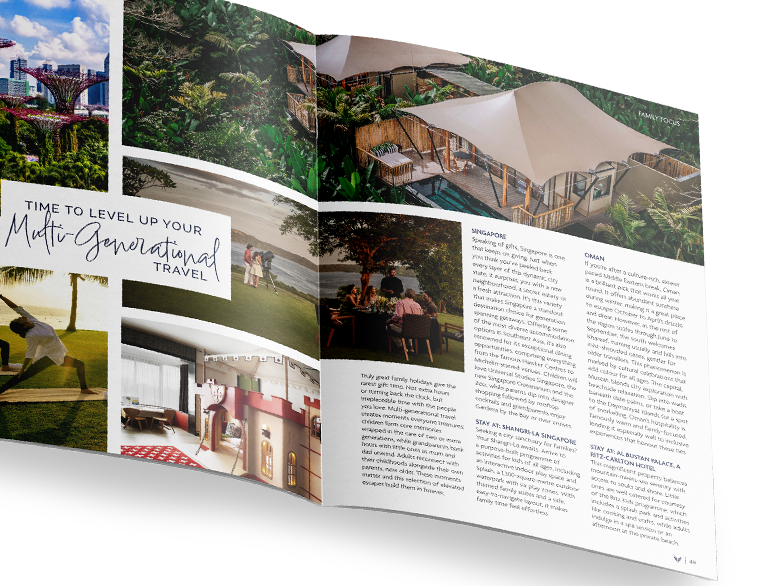
Winged Boots:
The Lifestyle Brochure
Blending the latest luxury travel trends, inspiring editorial and exclusive customer interviews with our curated list of the top hotels in the world, allow our brochure to spark your wanderlust.
order your copy today
next trip today
Our expert team of personal travel managers are ready to craft your perfect journey. From business trips to luxury leisure holidays, simply put your pin in the map, and we’ll make it happen.
 START A WHATSAPP CHAT